

Educational Apps for Toddlers: Boost Bedtime Routine with Charts, Calming Activities & Story Magic
- Story A Day

- Jun 3, 2024
- 4 min read
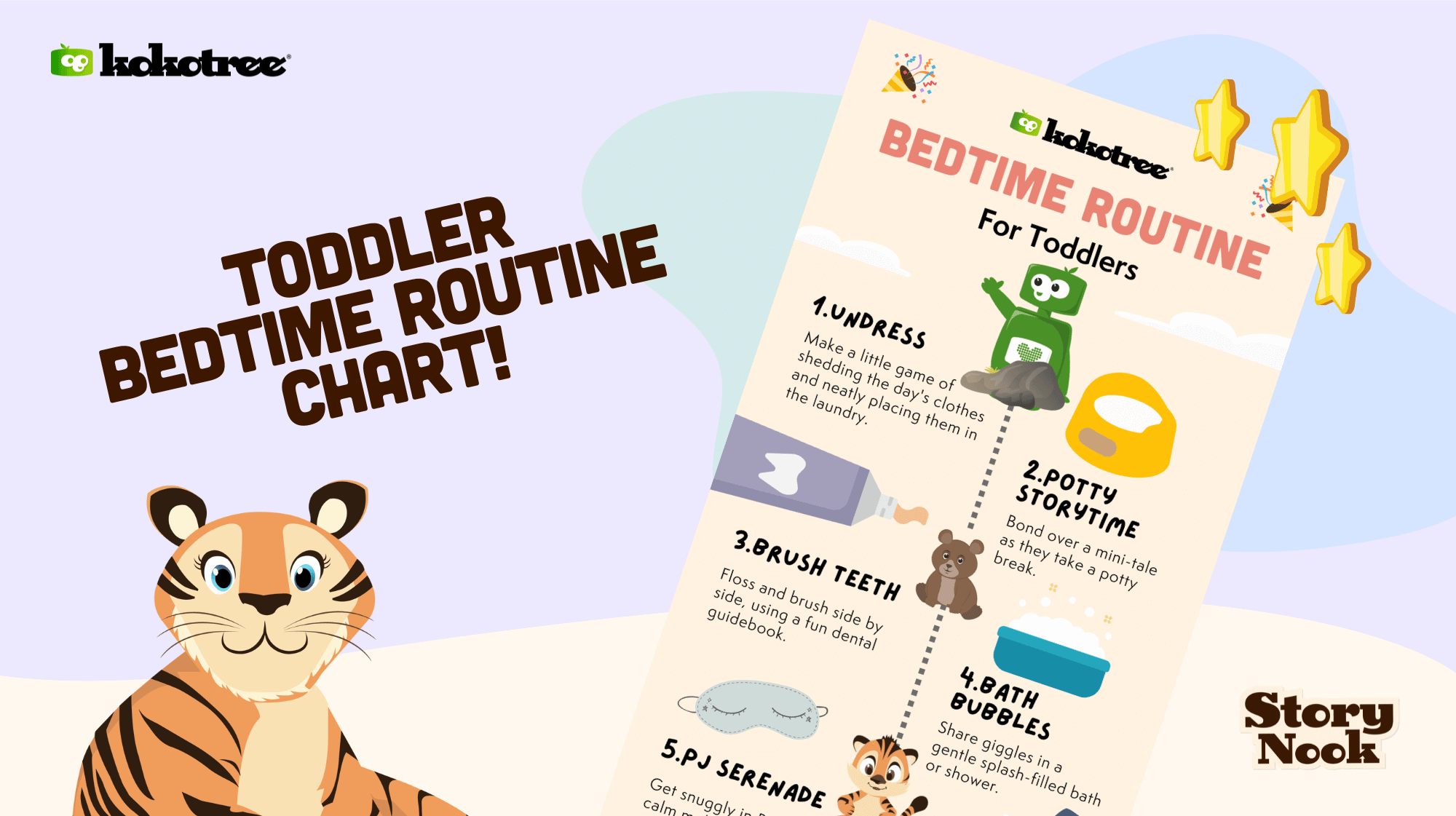
Bedtime with toddlers can feel like a rollercoaster of energy and emotion, leaving parents wondering if a restful night is just a dream. Establishing a toddler bedtime routine is not only beneficial but essential to help them settle down. From bedtime battles to endless requests, nightly challenges are tough. Luckily, there's hope. With proven methods and the magic of personalized stories, learn how to get toddlers to sleep better.
Why Toddlers Thrive on Routine
Toddlers are creatures of habit, and a structured environment helps them feel secure. Understanding how the body’s internal clock works can make bedtime smoother. The circadian rhythm is a 24-hour cycle that guides when we feel sleepy or alert. When this rhythm works well, we wake and sleep naturally. Two key hormones, cortisol (which keeps us alert) and melatonin (which helps us sleep), regulate this cycle. Studies show that toddlers with a regular toddler bedtime routine fall asleep faster, sleep through the night, and get healthier rest, and even experience faster sleep onset. Consistent routines can also extend total sleep time.
“Creating a bedtime routine for a child not only makes bedtime easier but ensures that a child sleeps better throughout the night,” says Dr. Jodi Mindell from the Children’s Hospital of Philadelphia.
Core Components of an Effective Toddler Bedtime Routine
A successful bedtime routine prepares the mind and body for sleep. Here’s how:
Same start time every night: Establish a sleep window — a 30-minute period when melatonin levels are just right for sleeping.
Screen-free wind-down (30–60 mins): Blue light from screens suppresses melatonin, making it harder to sleep.
Ideal environment checklist: Create a sleep-friendly space with:
Dim lighting (<50 lux)
Cool room temperature (65–68 °F)
White noise (<50 dB) to mask disruptive sounds
3 Golden Rules for Calming Bedtime Activities: • Quiet, gentle activities, such as reading or coloring • Sensory soothing, like a warm bath • Predictable, repetitive steps
30-Minute Sample Routine Walkthrough
Here’s a tailored guide to make bedtime a calm, enjoyable time:
0–5 minutes: Begin by tidying up toys together. This encourages responsibility and marks the transition from playtime.
5–10 minutes: A warm bath or a gentle wipe-down can calm and soothe, using lavender for an extra touch of relaxation.
10–15 minutes: Put on pajamas, attend to diaper/potty, and have a small sip of water to finish up personal care.
15–25 minutes: Engage in calming bedtime activities:
Practice deep-breathing, imagining you're a balloon slowly inflating and deflating.
Do some gentle stretches to relax the body.
End with a favorite lullaby.
25–30 minutes: End with a comforting bedtime story routine. Snuggle up with a personalized story from Story A Day where your child becomes the star.
Troubleshooting: How to Get Toddlers to Sleep When They Resist
If your toddler is resisting bedtime, you're not alone. Here are common problems and how to tackle them:
Issue | Solution |
|---|---|
Overtired | to catch them before they're too tired. |
Separation anxiety | Use a |
Late naps | Cap nap length and |
Sugary snacks | Avoid sweet treats |
Night Wakings: Implement the “2-minute rule” for comforting them briefly before they drift back to sleep.
Making Story Time the Heart of the Night
Storytime before bed isn't just soothing; it nurtures cognitive and emotional growth. Personalized storytelling — where your child hears their own name and favorite stories — boosts their engagement and language skills further.
Encourage vocabulary growth and understanding of narratives.
Trigger brain activity with personalization.
Use Story A Day to craft personalized tales that include:
AI-generated stories with your child’s favorite themes
Matching images and optional voice narration
Easy, browser-based access without installation
Savable library for repeated enjoyment
Whether you're a parent at home, a grandparent connecting over a video call, or a teacher needing a calming class activity, personalized stories enrich bonding time each day.
Craft tonight’s personalized tale with Story A Day — it’s free to start.
Frequently Asked Questions
Q: What time should my toddler go to bed? A: Most toddlers benefit from falling asleep between 7:00 and 8:30 pm (source).
Q: How long should a toddler bedtime routine be? A: Ideally, you want it to last 20–40 minutes, which is not too short or too long.
Q: Are calming bedtime activities necessary every night? A: Absolutely! Regularity is crucial for effective sleep habits (source).
Q: How soon will a bedtime routine chart show results? A: Noticeable improvements are often felt within just a few nights to a week (source).
Q: What if my toddler wants multiple stories? A: Use the Story A Day library to select a few stories beforehand to manage expectations.
Conclusion
A consistent toddler bedtime routine incorporating calming activities, a visual routine chart, and immersive stories can lead to peaceful, fulfilling nights. Begin a magical evening with Story A Day — try it for free tonight and enjoy its transformative power!
Make Bedtime Magical with Story A Day
Looking to make bedtime more personal and joyful? Try Story A Day — create custom stories where your child is the star. Start for free.


Comments